
Claudoscope and the missing view of agent work
Session viewers, usage reports, and runtime guards expose different parts of an AI coding workflow; the useful stack begins by keeping those boundaries clear.
Discover
Stories about useful software, the people behind it, and how to put it to work.
Session viewers, usage reports, and runtime guards expose different parts of an AI coding workflow; the useful stack begins by keeping those boundaries clear.
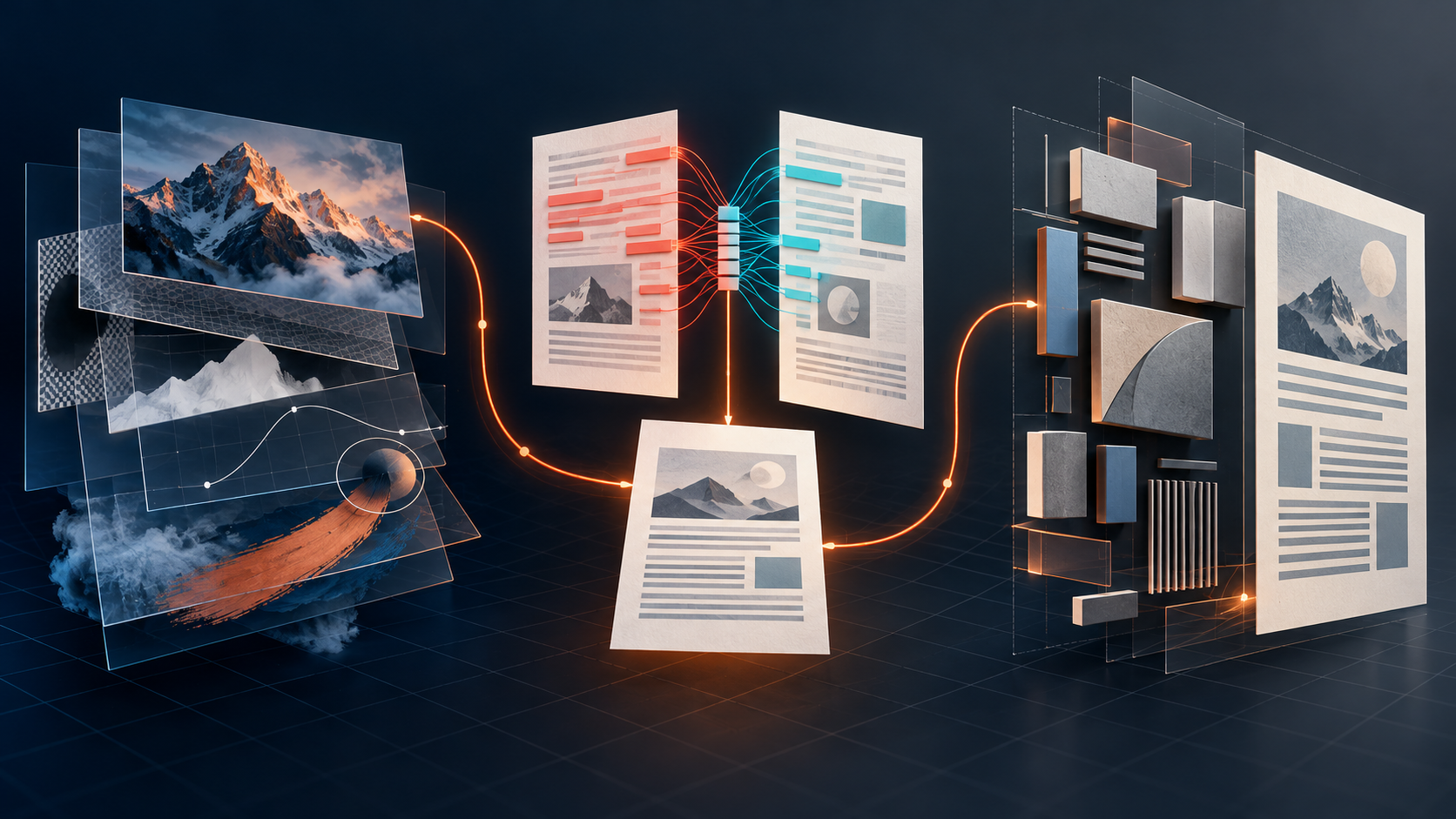
PhotoCraft, typdiff, and TeXres take sharply different approaches to making creative and publishing workflows local, inspectable, and easier to package.
JetBrains' alpha language server brings IntelliJ-derived Kotlin analysis to VS Code and other LSP clients, while making the editor-server boundary impossible to ignore.

A young Rust TUI makes a useful distinction visible: observing workloads, managing nodes, and declaring releases are related jobs, not one job.

A local activity timeline can improve retrospectives, but only when observation remains separate from judgment and durable notes preserve the conclusions.

When several agents work in parallel, the scarce resource is no longer terminal space—it is knowing which session needs a human next.

An opinionated layer over worktrees and terminal multiplexers makes concurrent coding sessions easier to see, separate, and retire.

Chunk-based transfers and readable notebooks tackle two different obstacles to sharing research repositories.

OmniWM, DockDoor Pro, and Taskbar challenge different parts of macOS window navigation—and reveal why no single desktop model fits every multitasker.

Tailscale's new experiment turns its data plane into a temporary encrypted pipe, trading accounts and policy machinery for portable connection material.

linecast compresses weather, tides, daylight, the moon, radar, and maps into one surprisingly tactile command-line observatory.
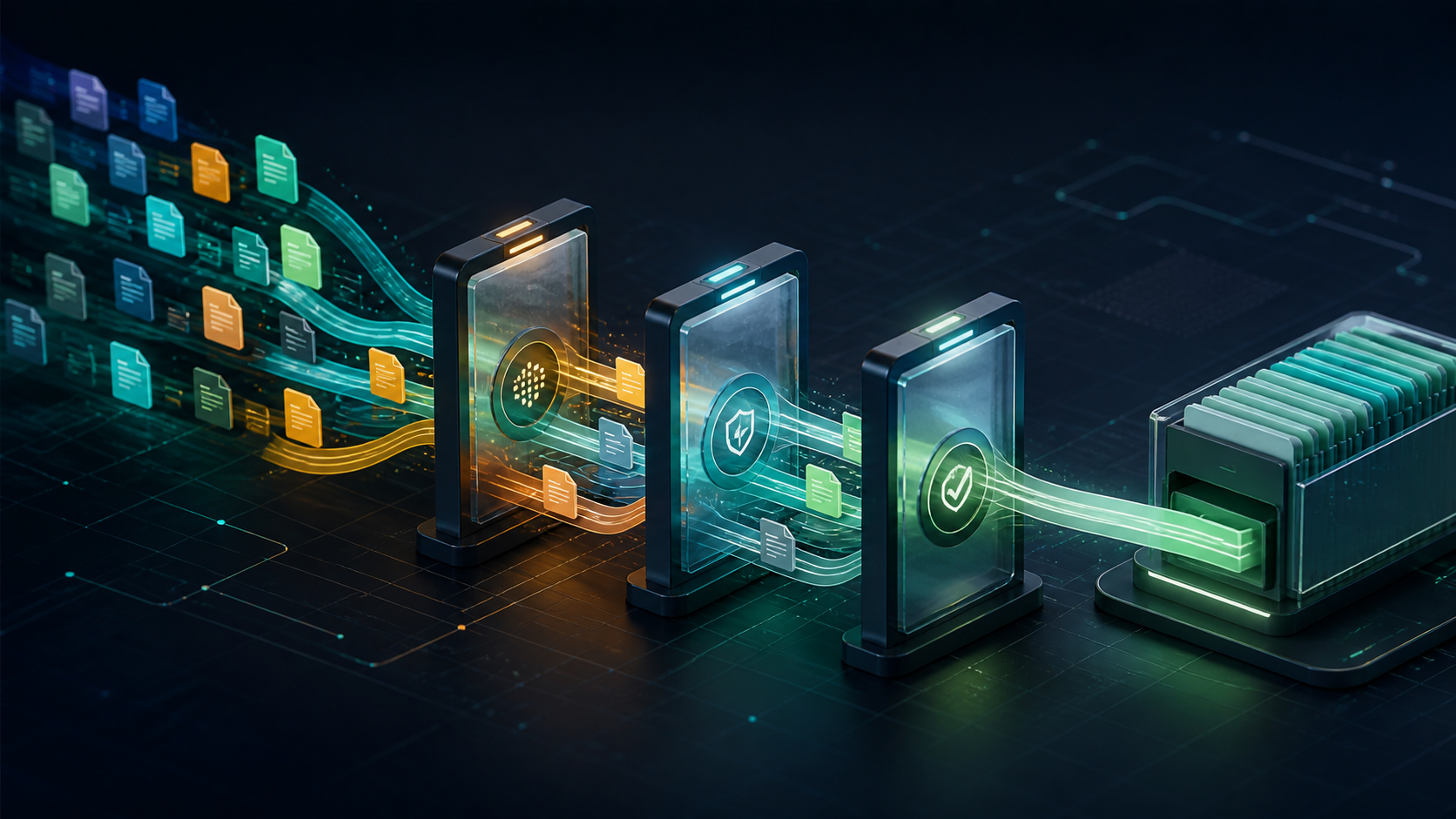
A compatible Rust runner can remove friction from established Git-hook policy, but speed pays off only when teams preserve reproducibility, review, and clear scope.
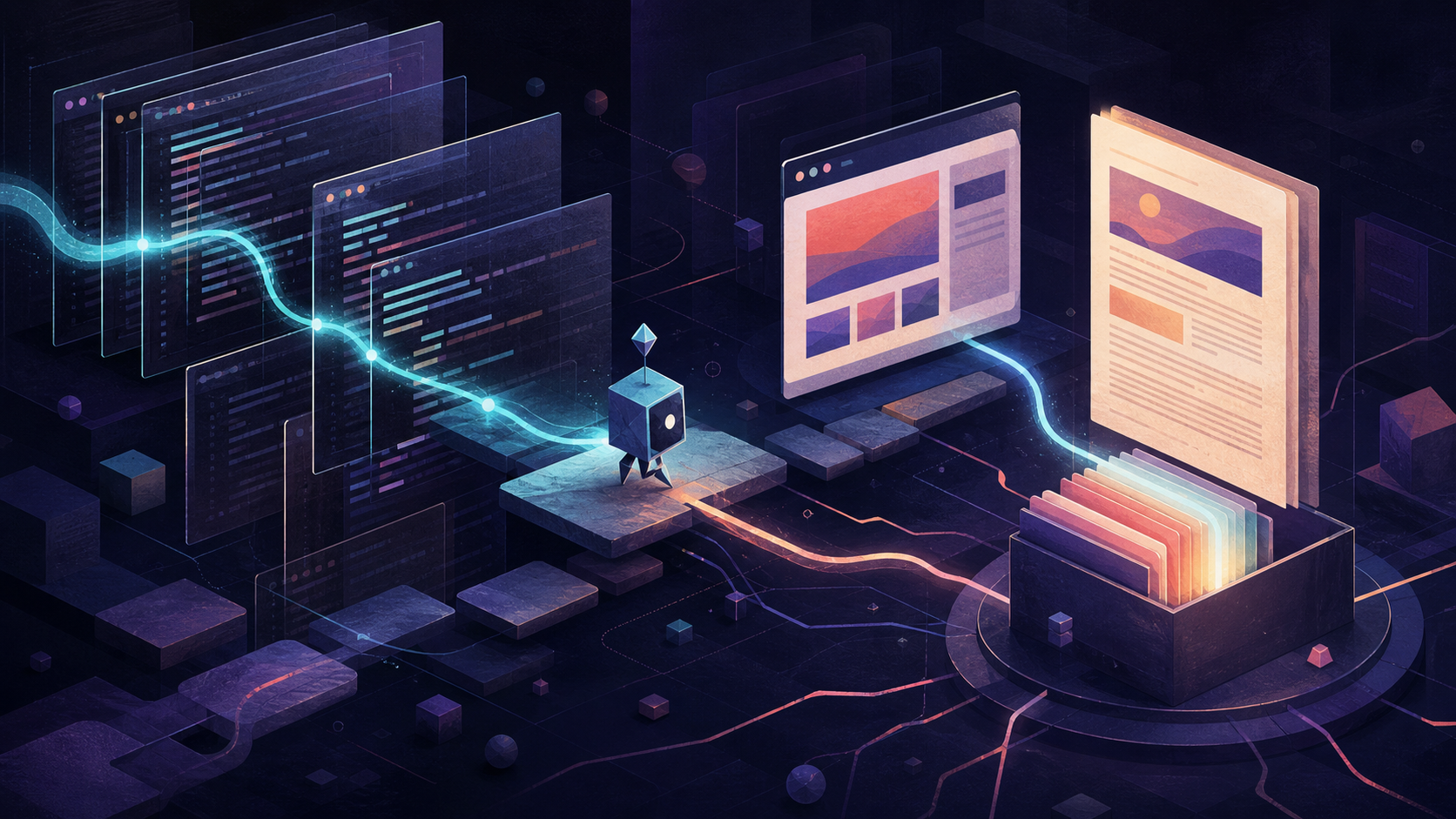
deja-vu treats the transcripts already on disk as working memory, while Obscura and Defuddle show how a lean retrieval pipeline can reach beyond the repository.

Monet turns scattered Claude Code and Codex sessions into a native control room—but parallel work only pays when isolation and review keep pace.
A mature database release puts its energy into I/O, upgrades, identifiers, and the everyday tools that keep changing data understandable.
A young terminal client makes database exploration fast and tactile, while reminding us that convenience, credentials, and query safety travel together.

A focused new terminal tool for comparing DNS answers across public resolvers while investigating a rollout.
A young MCP traffic inspector can make agent integrations observable—if teams treat captured data and proxy placement as real operational concerns.
Cronboard, dtop, and OONI Probe make different systems visible—provided their operational and privacy boundaries stay explicit.

A focused CLI for turning one maintained ruleset into the differing files that modern coding agents expect.

Three newer developer tools show why speed matters most when it shortens a decision, not simply a benchmark.

Why TypeScript remains a useful boundary around JavaScript, and where its guarantees end.
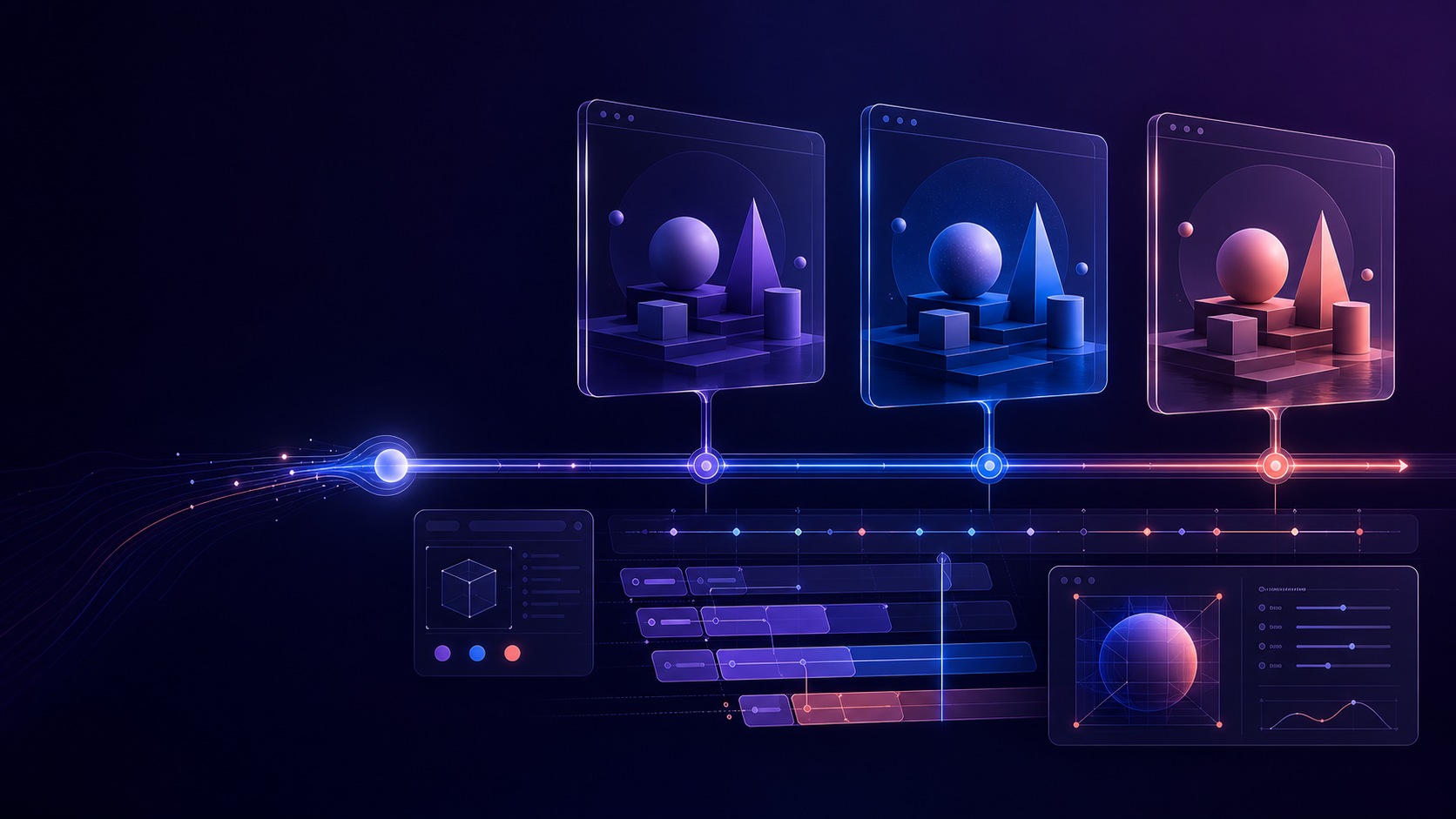
One automation model for Chromium, Firefox, and WebKit, with waiting, isolation, and traces built around modern web applications.
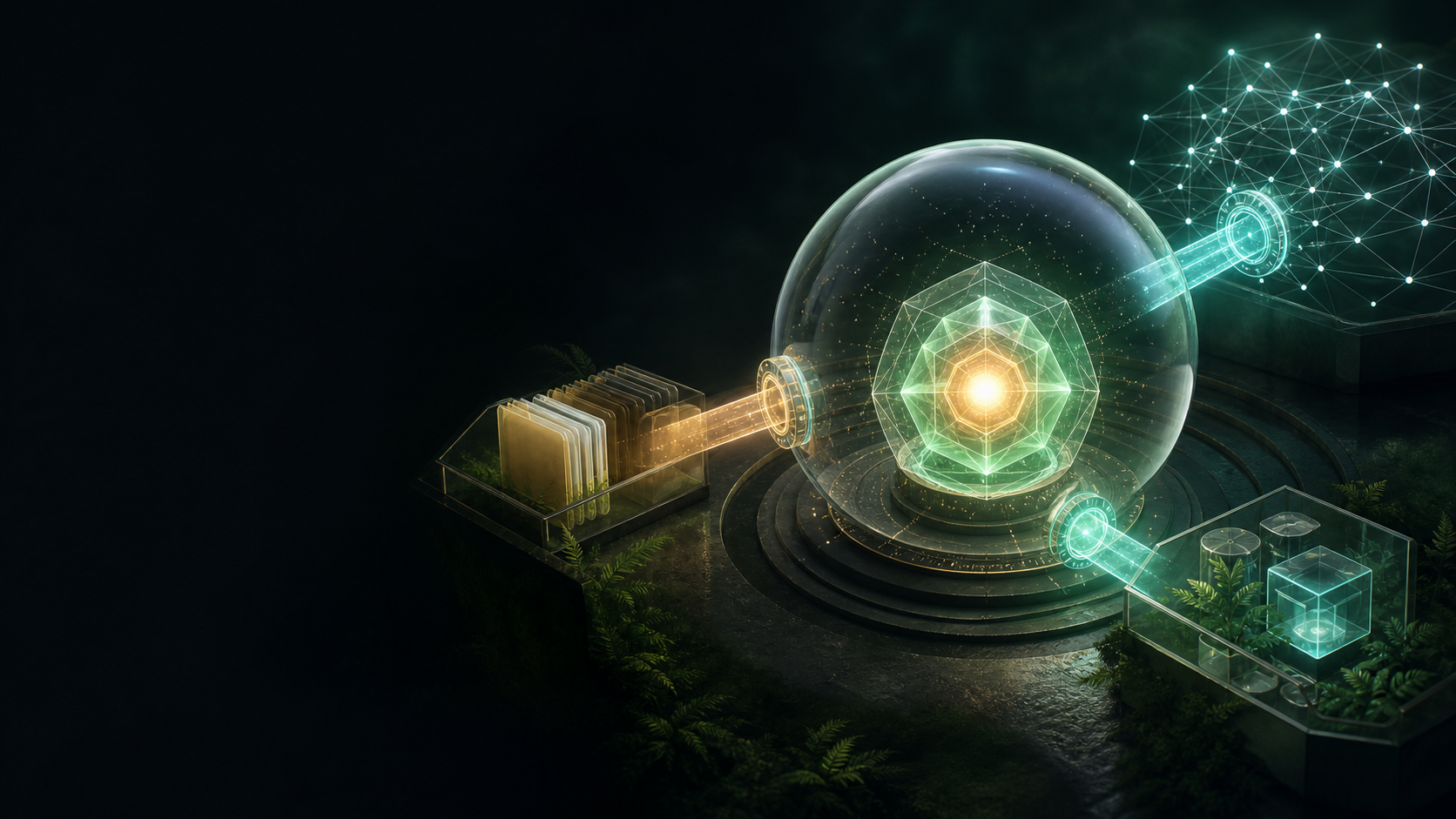
JavaScript with explicit access to files, networks, and processes, plus a toolchain that arrives in one executable.
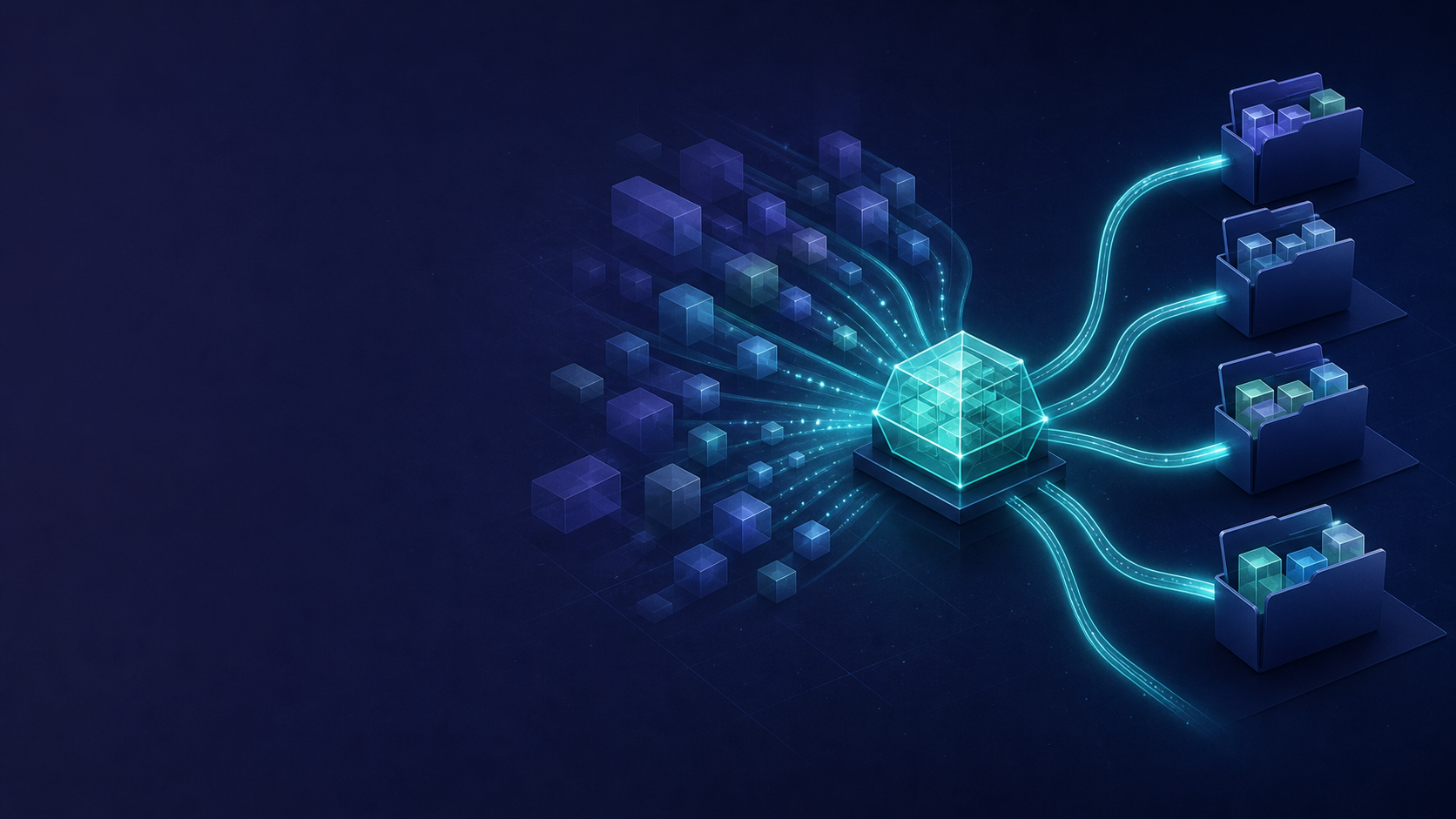
A package manager built around shared files, stricter dependency boundaries, and the practical demands of JavaScript monorepos.